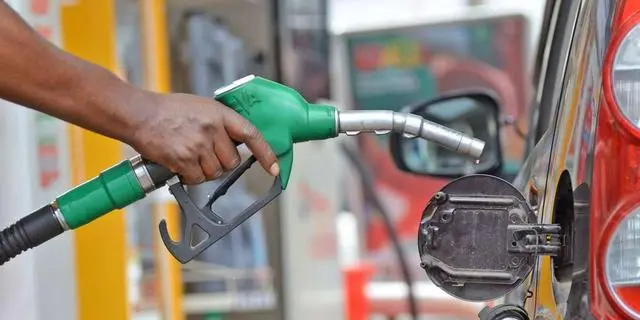
Nigerians are facing renewed economic pressure as rising fuel prices continue to drive up the cost of living across the country.
In recent days, petrol prices have remained unstable, with rates hovering between ₦1,075 and ₦1,300 per litre in major cities. The fluctuations have been linked to factors such as foreign exchange challenges, global oil price movements, and ongoing adjustments in the downstream sector.
The increase in fuel costs has had a ripple effect on transportation, with fares rising significantly in many parts of the country. Commuters and commercial operators say the hikes have made daily travel more expensive, further straining household budgets.
Food prices have also surged, as higher transportation and logistics costs push up the prices of essential commodities. Staple items such as rice, garri, and cooking oil have become less affordable for many Nigerians.
Economic analysts note that inflation remains a major concern, with the removal of fuel subsidies continuing to impact market prices. While the policy is aimed at long-term economic stability, its short-term effects have contributed to what many describe as a worsening cost-of-living crisis.
Residents across the country say their incomes are no longer keeping pace with rising expenses, forcing many to cut back on basic needs. Experts warn that unless fuel prices stabilize and inflation is brought under control, the financial strain on households may persist in the coming months.
