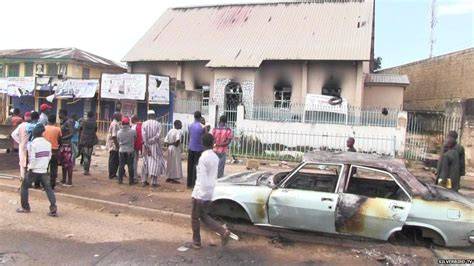
Easter, a sacred season symbolizing hope, sacrifice, and renewal for Christians across the world, was tragically marred in Nigeria this year by a series of deadly attacks that left the nation in grief. Across parts of northern and north-central Nigeria, coordinated assaults claimed at least 26 lives, turning what should have been a moment of joy into one of sorrow and reflection.
A Nation Shaken During a Sacred Celebration
In communities across and residents woke to violence instead of celebration. Families preparing for church services and Easter gatherings were instead forced to flee for safety, while others mourned loved ones lost in sudden attacks.
The most devastating incident occurred in rural Benue communities, where armed assailants stormed villages, opening fire indiscriminately and setting homes ablaze. The attack not only claimed lives but also displaced families, many of whom are now seeking refuge under harsh conditions.
In Kaduna, worshippers gathered in churches were targeted, disrupting services and instilling fear among already vulnerable populations. Meanwhile, in Borno, security forces came under attack, highlighting the persistent threat of insurgency in the region.
The Deep-Rooted Causes of Violence
These attacks are not isolated events but part of a broader, complex security crisis facing . Several factors continue to fuel the instability:
1. Farmer–Herder Conflicts
Clashes over land and grazing routes have intensified over the years, particularly in Benue. What begins as disputes over resources often escalates into deadly violence, affecting entire communities.
2. Terrorism and Insurgency
In the northeast, extremist groups continue to pose a serious threat. Despite years of military operations, attacks on both civilians and security personnel persist, especially in Borno State.
3. Banditry and Rural Insecurity
Armed groups, often referred to as bandits, have exploited weak security presence in rural areas. Their activities include raids, kidnappings, and destruction of property, leaving communities in constant fear.
Human Cost Beyond the Numbers
While statistics provide a snapshot of the tragedy, they fail to capture the full human impact. Families have lost breadwinners, children have been orphaned, and entire communities have been uprooted.
For many survivors, the trauma will linger long after the physical wounds have healed. The destruction of homes and farmlands also threatens livelihoods, raising concerns about food security in regions heavily dependent on agriculture.
Government Response and Public Reaction
Authorities have condemned the attacks and deployed security forces to affected areas. Military interventions reportedly prevented further casualties in some locations, but questions remain about the effectiveness and timeliness of these responses.
Citizens and civil society groups are increasingly calling for:
- Stronger intelligence gathering
- Improved rural security presence
- Long-term conflict resolution strategies
There is also growing frustration among Nigerians who feel that such tragedies have become recurring events rather than isolated incidents.
A Call for Lasting Solutions
The Easter attacks serve as a painful reminder that Nigeria’s security challenges require more than temporary fixes. Addressing the root causes—whether economic, environmental, or political—is essential for lasting peace.
Experts suggest that sustainable solutions must include:
- Dialogue and reconciliation between conflicting groups
- Investment in rural development
- Strengthening of security institutions
- Community-based peacebuilding initiatives
Hope Amid the Darkness
Despite the tragedy, the resilience of affected communities remains evident. Local volunteers, religious organizations, and humanitarian groups have stepped in to provide support, offering a glimmer of hope in a difficult time.
Easter, at its core, represents renewal and the triumph of life over death. For Nigeria, this moment calls for reflection—not only on the losses suffered but also on the urgent need to rebuild, reconcile, and restore peace.
The 2026 Easter attacks will be remembered as one of the darkest moments in recent times for northern Nigeria. Yet, within this pain lies an opportunity—a chance for leaders and citizens alike to confront the realities of insecurity and work collectively toward a safer future. As the nation mourns, one message remains clear: peace is not optional it is necessary.
