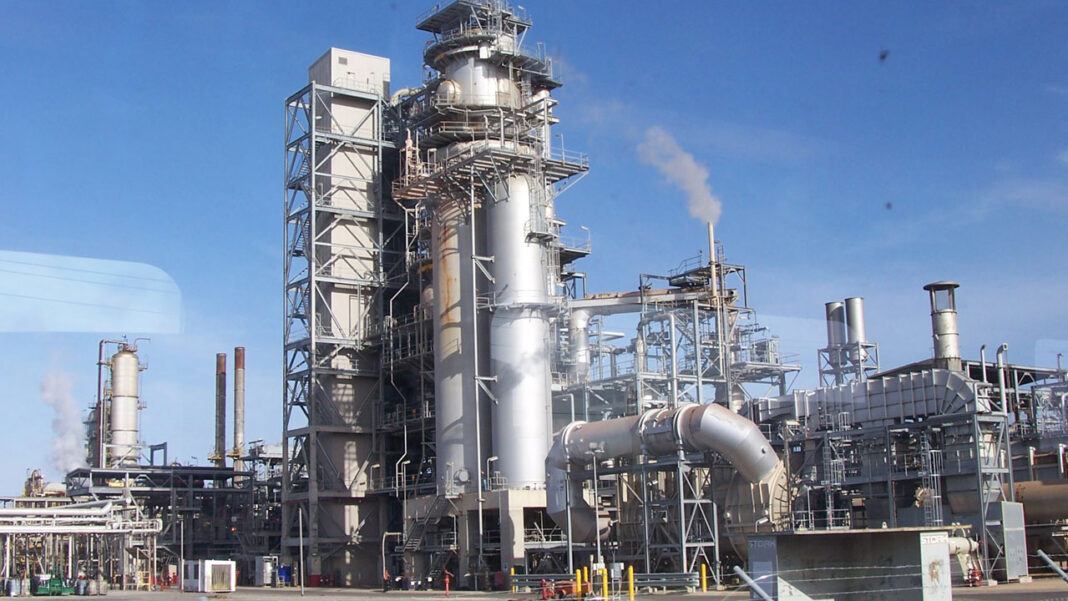
Nigeria’s quest for energy self-sufficiency received a major boost as the Dangote Petroleum Refinery increased local petrol supplies following reports that its production has reached 700,000 barrels per day (b/d).
The refinery, located in Lagos’ Lekki Free Trade Zone, has continued to ramp up operations, reinforcing its position as a critical player in Nigeria’s downstream oil sector. The increase in production is expected to improve fuel availability across the country and reduce reliance on imported petroleum products.
Industry experts believe the development could help stabilize fuel supply, ease pressure on foreign exchange reserves, and strengthen Nigeria’s energy security. For decades, Africa’s largest oil producer depended heavily on imported refined petroleum products despite its vast crude oil reserves.
The refinery’s growing output comes amid ongoing efforts to meet domestic demand for Premium Motor Spirit (PMS), commonly known as petrol. Increased local refining capacity is also expected to support the availability of other petroleum products, including diesel, aviation fuel, and liquefied petroleum gas (LPG).
Analysts say the refinery’s ability to process large volumes of crude oil could have far-reaching economic benefits. These include reducing import costs, creating jobs, attracting investment, and boosting government revenue through taxes and exports.
Since commencing fuel production, the Dangote Refinery has steadily expanded its market presence, supplying petroleum products to marketers and distributors across Nigeria. The company has also been exploring export opportunities to other African countries, further strengthening its role in regional energy markets.
Many stakeholders see the refinery as a game changer for Nigeria’s oil and gas industry. With production now reportedly hitting 700,000 barrels per day, expectations are high that the facility will continue to drive growth, improve fuel supply stability, and contribute significantly to the country’s economic development.
As operations expand, Nigerians will be watching closely to see whether the increased production translates into improved fuel availability and more competitive prices at filling stations nationwide.
